
WEEKLY QUEST · No. 2 · PUMPKIN SCIENTISTS
Explore: read this aloud
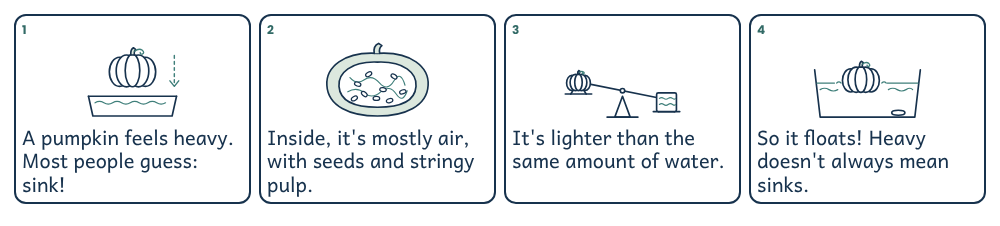
Something floats when it's lighter than the same amount of water. A pumpkin feels heavy, but inside it's mostly air, with seeds and stringy pulp. All that air makes the whole pumpkin lighter than the same amount of water, so the water holds it up. A coin is small, but it's heavier than the same amount of water, so it sinks. Heavy isn't the same as sinks.
The whoa moment: A heavy pumpkin floats, but a tiny coin sinks. What counts is weight for size.
What's in the Quest
Move: Sink or Float Relay
- Line up: spoon, apple, crayon, leaf, coin, pumpkin.
- Run one thing over. Shout your guess.
- Drop it in. Did it float or sink?
- Sort them: floaters here, sinkers there.
Weather swap: Rainy or cold? Use a big bowl of water on a towel indoors. Hop, crawl or tiptoe each thing over.
Make: Count the Seeds
- Everyone guesses: how many seeds?
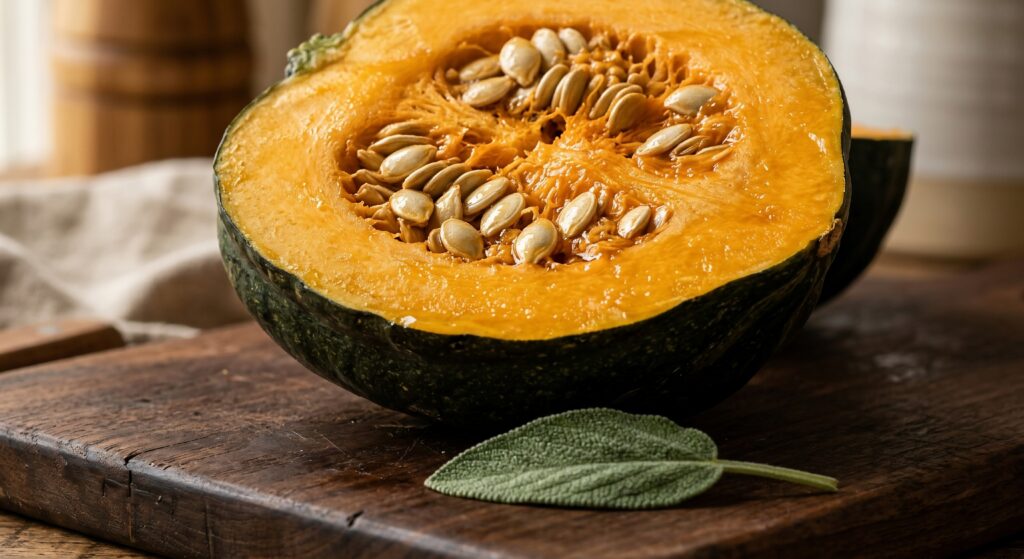
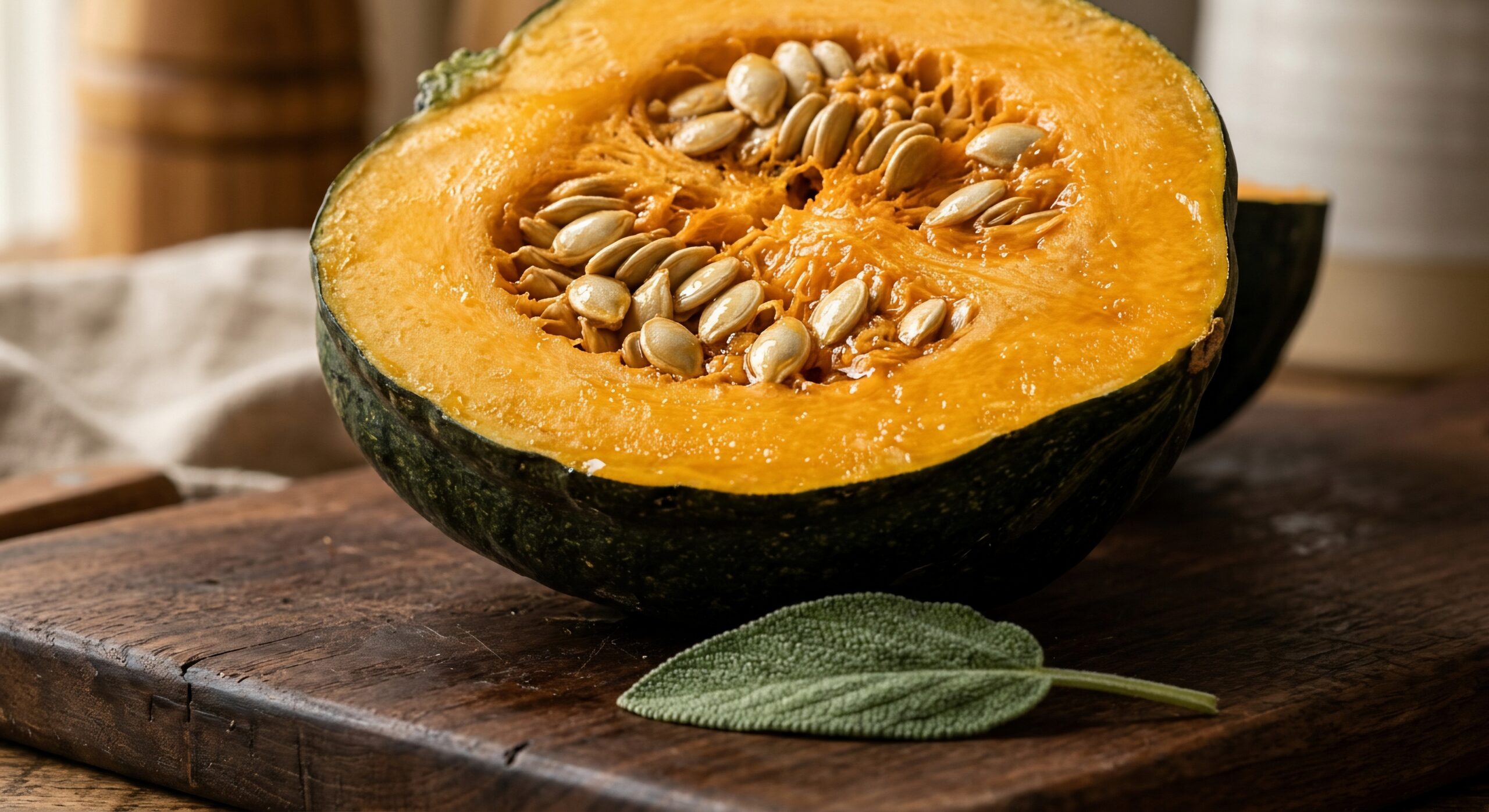
- A grown-up cuts the pumpkin open.
- Scoop out the seeds. Rinse off the pulp.
- Count them in piles of ten.
Good to know: Pumpkins can have about 100 to 700 seeds, so any guess could be close. Slippery? Pat the seeds dry first. Lost count? The piles of ten keep your place.
Make: Roast the Seeds
- Pat the seeds very dry with a towel.
- Toss with a little oil and a pinch of salt.
- A grown-up bakes them at 160 °C (325 °F).
- About 20 minutes. Stir halfway. Cool, then crunch!
Good to know: Still chewy? Bake a few minutes more. Crunchy means the heat dried the water out.
For the littlest (JK and SK)
Drop things in water and shout "Float!" or "Sink!" Squish the pumpkin goop.
★ Go further (Grades 6–8, or anyone who wants more)
Measure the mass and volume of a pumpkin, an apple, a potato and objects of your choice with a kitchen scale and the overflow method, then work out each one's density and test the rule that anything under about 1 g per mL floats. Weigh the seeds before and after roasting to measure how much water the oven drove out, and learn why ships carry a separate load line for fresh water.
Safety: A grown-up cuts the pumpkin and runs the oven. Little ones can drown in a few centimetres of water: stay within arm's reach, then empty the bucket. Coins can choke under-3s. Check for seed allergies before sharing.
Pick one, or do them all. Any order. Then stamp the card: I moved · I made · I explored · I told someone what I found.
What the pages look like
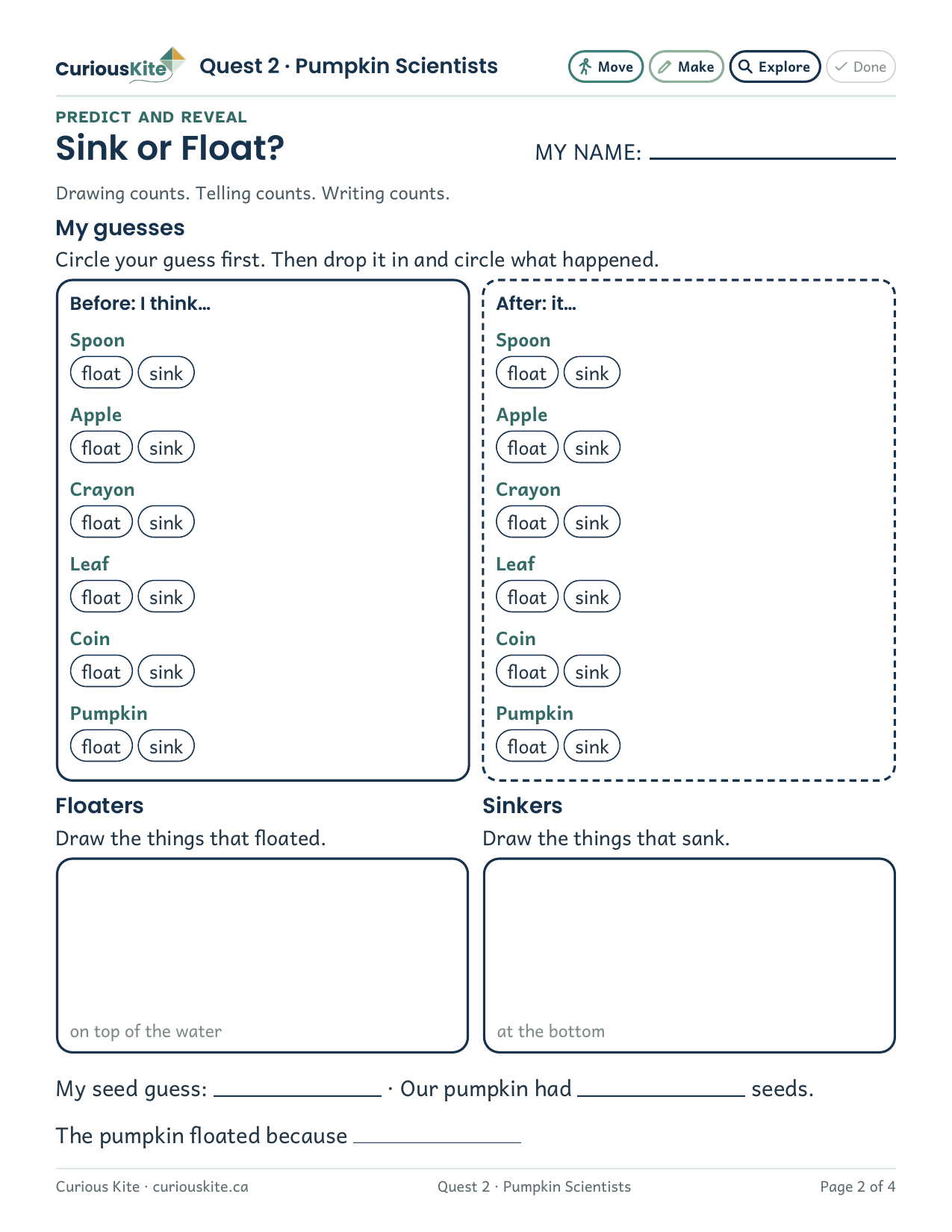
Four printable pages: the grown-up page with every step, a record page, a Go further page in field-notes style, and a make page with the stamp card.
Get next week's Quest by email
Next up: Why do geese fly in a V? (Flying South)
Loading the sign-up form…
Weekly Quest emails from Curious Kite. Unsubscribe anytime.
Curious Kite · All Quests · Change the method. Not the child.
Where should we send it?
Pop your email in and the Quest downloads right away.
Here it is.
A copy is on its way to your inbox as well.
This stays here until you close it.